Transform Your Outdoor Space: Expert Landscaping Tips for a Stunning Home Garden
Transforming an outdoor space into a stunning home garden involves careful planning and thoughtful execution. By evaluating the unique characteristics of a yard, individuals can establish definitive garden objectives. Selecting plants suited to the local climate is essential. Additionally, incorporating functional hardscaping elements improves both aesthetics and usability. However, the process doesn't stop there. Learning how to maintain vibrancy and sustainability can enhance any outdoor space to the next level. What approaches will result in enduring achievement?
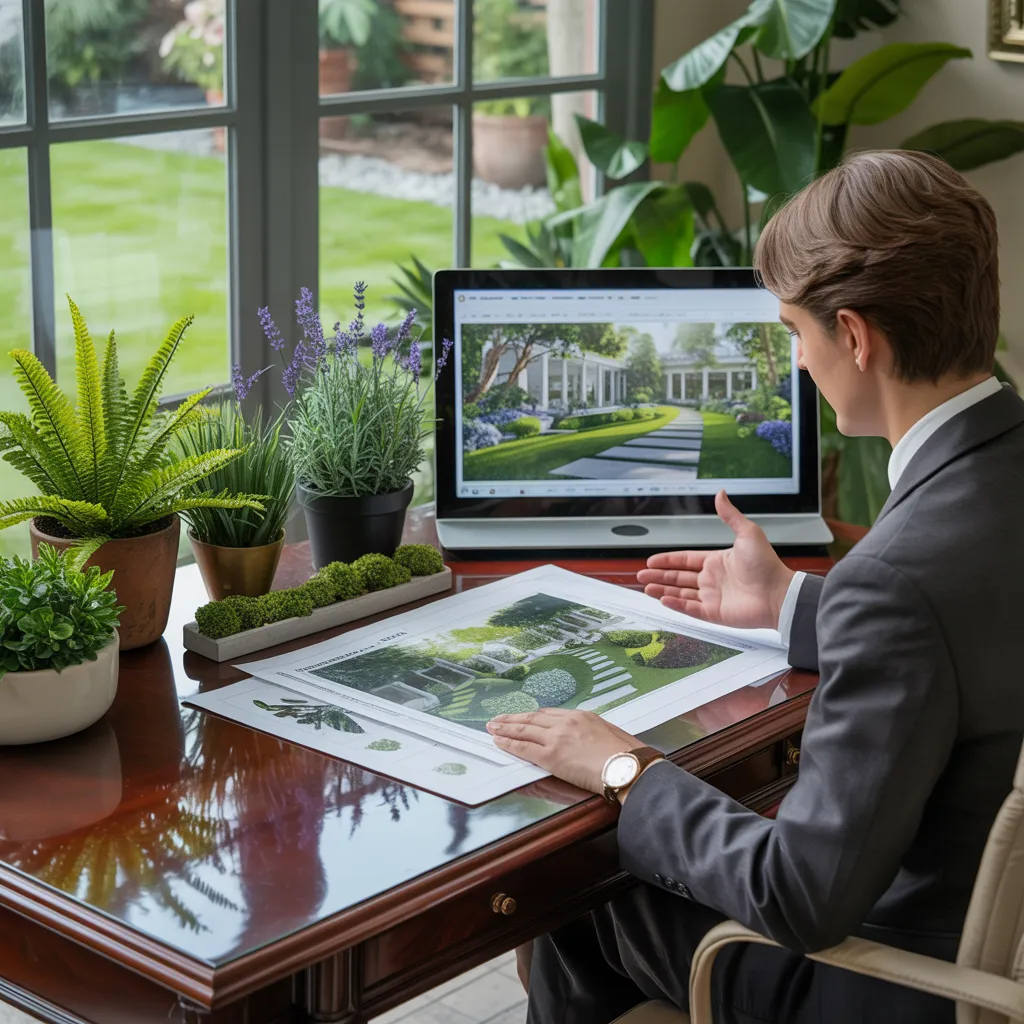
Assess Your Space to Define Your Landscaping Goals
Before starting on any garden work, it is essential for property owners to evaluate their outdoor space completely. This initial evaluation enables them to comprehend the unique characteristics of their yard, such as sunlight exposure, soil quality, and current plants. Identifying these factors helps in deciding what types of design elements and features can be successfully incorporated into the space.
Homeowners should document dimensions and record any obstacles such as trees, fences, or walkways that could influence the layout. Additionally, recognizing personal preferences and lifestyle needs—such as entertainment spaces, gardening, or leisure—can guide the landscaping goals. By specifically establishing these objectives, homeowners create a solid foundation for a unified and practical outdoor environment. This careful assessment leads to a greater and satisfying landscaping project, ensuring the exterior environment improves not just the property's visual appeal but furthermore meets the functional requirements of its inhabitants.
Select the Best Plants for Your Local Climate
Determining ideal vegetation for a particular region is critical for creating a thriving outdoor space. Grasping local weather patterns, including temperature ranges, rainfall, and moisture levels, supports property owners choose plants that will flourish. Indigenous vegetation often adapt best, needing minimal maintenance and water. For instance, water-efficient plants are ideal for dry climates, while moisture-loving species flourish in humid climates.
Gardeners should additionally take into account seasonal changes; choosing vegetation that offers continuous appeal improves the landscape. Spring-flowering plants, warm-season vegetation, and vibrant fall foliage can produce a striking visual display. Additionally, speaking with regional nurseries or extension services can provide helpful information into sturdy vegetation adapted for particular environments.
In the end, a well-planned vegetation arrangement enhances not just beauty but also supports native fauna and supports environmental sustainability, making it a smart decision for any exterior area renovation.
Transform Your Garden With Decorative Structural Components
Functional hardscaping elements prove vital in creating exterior layouts and enhancing their usability. By integrating seating zones and well-designed pathways, homeowners can create charming outdoor spaces that encourage rest and activity. Additionally, edging can separate different zones within the garden, providing organization and visual interest.
Define Your Exterior Space
Creating a well-organized outdoor space can renovate a yard into a pleasant sanctuary. One reliable technique to achieve this is through practical landscape features, which establish structure and layout. Pathways made from natural stone or brick guide visitors while enhancing aesthetics. Retaining barriers can form tiered levels, enhancing the garden's overall design and stopping soil loss. Barriers or lattices can establish boundaries, providing privacy and a feeling of containment. Adding elevated planting areas not only establishes growing zones but also makes them more accessible. These elements function together to establish separate areas that enhance both aesthetics and functionality. Ultimately, a well-organized outdoor space fosters a serene environment where homeowners can unwind and appreciate the outdoors.
Integrate Lounging Areas
Incorporating seating areas into an outdoor space greatly improves its functionality and attractiveness. By adding practical hardscape features, homeowners can create inviting spots for rest, gathering, or appreciating the outdoors. Options include benches, patio sets, or hammocks, each adding to the landscape's visual appeal and comfort. Strategically placing seating near focal points, such as flower beds or water features, encourages users to engage with their surroundings. Additionally, selecting materials such as wood or stone can match the landscape's style, maintaining visual unity. Overhead coverings, such as arbors or parasols, offer relief during hot seasons, making these areas usable year-round. Ultimately, expertly crafted sitting zones convert a standard yard into a welcoming retreat for loved ones and guests.
Design Pathways And Borders
Pathways and edges serve as important features in outdoor environments, directing guests throughout the garden while improving its overall design. They produce an atmosphere of arrangement and direction, assisting in distinguishing various zones and plant arrangements. Materials such as pavers, gravel, or stone can be used to create long-lasting walkways, while organic edges made from vegetation or decorative screens can boost visual interest. Additionally, pathways can encourage exploration, guiding eyes to centerpieces like garden beds or fountain features. Properly designed borders can also inhibit invasive weeds and ground loss, promoting garden wellness. Ultimately, integrating pathways and borders not only improves functionality but also enhances the stylistic elegance of the landscape environment, rendering it more appealing and satisfying.
Establish Flow With Pathways and Resting Places
A well-planned garden setting typically includes a balanced circulation established through deliberately situated walkways and rest zones. Walkways direct guests across the garden, providing a definite sense of examine guide orientation while enriching the general visual quality. Selecting options such as wood, stone, or gravel can add to the walkway's aesthetic value and ensure longevity.
Rest zones offer resting spots, encouraging visitors to stop and enjoy the environment. Placing seating deliberately near highlights, like a water feature or a planted area, promotes engagement with the outdoor setting. Your seating selection—chairs, benches, or even swings—will affect the mood, whether formal or relaxed.
Adding walkways and rest areas develops a welcoming setting, boosting functionality and pleasure. Combined, they establish a smooth transition among various zones of the garden, encouraging discovery and calm, eventually turning any exterior area into a peaceful sanctuary.
Infuse Your Garden With Seasonal Color and Texture
To strengthen the visual attractiveness of a landscape, deliberate curation of seasonal plantings is essential. Blending diverse textural characteristics can introduce layers and fascination, meanwhile deliberately arranged focal areas can command views and forge a balanced plan. Each feature together ensure a vibrant and dynamic garden environment during the entire year.
Select Plants for Each Season with Consideration
Selecting seasonal plants thoughtfully can reshape your garden into a colorful and textured paradise. By choosing plants that bloom at different times throughout the year, gardeners can ensure a perpetual floral display. Spring flowers, summer annuals, autumn perennials, and winter evergreens each contribute unique hues and forms to the landscape. It is essential to take into account area-specific climate and soil characteristics, as well as the plants' growth habits. Native species often flourish with reduced upkeep needs, promoting ecological diversity. Additionally, blending plants of assorted heights and flowering schedules can create a dynamic visual effect. Ultimately, deliberate plant selection fosters a landscape that transforms seasonally, providing beautiful scenes every season.
Build Textural Interest For Depth
Generating garden depth involves blending textures that harmonize with and boost seasonal colors. By combining various plants with diverse leaf configurations, scales, and palettes, one can achieve a visually dynamic landscape. For instance, combining full-leaved plants with thin-bladed grasses can create contrast and intrigue. Additionally, integrating bark, stones, and other natural materials introduces tactile elements that strengthen the garden experience. Seasonal flowers should be thoughtfully placed to provide bursts of color throughout the year, ensuring that each layer remains visually interesting. This strategic plan not only captures attention across the landscape but also builds an engaging setting where all components add to the aesthetic beauty and order.
Feature Design Elements Strategically
Artfully positioning focal points can markedly enhance a garden's aesthetic appeal and seasonal vibrancy. These primary focal elements function as design anchors that command attention and tie the landscape together. Gardeners can utilize elements such as sculptures, ornamental trees, or vibrant flower beds to establish visual magnetism. Seasonal color can be woven through the careful selection of plants that bloom at different times, preserving the garden's energy throughout all seasons. Textures also play a significant role; uniting smooth pathways with rugged surfaces or abundant greenery provides dimension. By thoughtfully placing these elements, a gardener can create an inviting atmosphere that encourages exploration and appreciation, transforming an outdoor space into an engaging retreat.
Embrace Responsible Strategies to Nurture a Vibrant Garden
Embracing environmentally-conscious practices is essential for developing a healthy garden that flourishes in alignment with the environment. Gardeners are encouraged to utilize native plants, which demand less water and upkeep while promoting area creatures. Introducing natural growing methods, such as nutrient recycling and chemical-free pest solutions, can significantly decrease chemical usage, encouraging a improved environment.
Efficient water strategies, including targeted watering systems and water collection systems, strengthen green practices by maximizing resource management. Using mulch layers preserves soil water plus suppresses weeds, decreasing the requirement for herbicides. Additionally, fostering ecological diversity by adding a variety of plants builds resilience against pests as well as plant diseases.
Soil health is vital; methods such as crop cycling and cover crops sustain nutrient levels without artificial nutrients. By implementing these sustainable strategies, plant growers can create a vibrant space that fosters plant life and the natural world, ultimately leading to a greater gardening pleasure.
Troubleshoot Frequent Difficulties for Continuous Garden Beauty
A carefully-tended garden can encounter many challenges across seasons, impacting its combined beauty plus condition. Typical problems involve pest issues, nutrient shortages, plus limited water. Detecting pests quickly is important; growing enthusiasts should frequently review vegetation for visible harm as well as handle pest problems with organic solutions alternatively adding beneficial insects.
Insufficient nutrients commonly manifest as leaf yellowing along with reduced growth. Doing soil analysis can allow identify particular needs, making possible for precise fertilization to restore balance. Additionally, securing adequate water supply is vital; overwatering can lead to root decay, whereas insufficient watering strains vegetation.
Weather transitions moreover call for modifications in upkeep. Throughout winter, using mulch safeguards root systems from ice, on the other hand warm months can call for additional water along with shade protection for fragile plants. By handling such typical problems promptly
Should I Undertake Garden Design on My Own or Engage a Landscaper?
One can certainly manage landscape designs solo, leveraging online resources and original ideas. However, engaging an expert provides knowledge, speed, and enhanced results, especially for complex designs or larger projects that require professional expertise.
What Necessary Tools Are Important for Residential Landscaping?
Required implements for residential landscaping include a garden rake, garden shovel, spade, hedge shears, garden cultivator, and a hose or sprinkler can. These implements support in productively handling dirt, plants, and overall garden maintenance, delivering professional landscaping.
What's the Most Effective Strategy to Care for My Yard During the Calendar Year?
To keep a yard thriving throughout the year, consistently trim garden plants, apply wood mulch for temperature control, track moisture levels, and establish seasonal planting approaches. Moreover, insect control and fertilization are vital for vigorous, healthy vegetation.